Why Loyalty Cards Matter for Repeat-Customer Growth
Learn why loyalty cards matter for repeat-customer growth, stronger habits, and better retention when the system is easy for staff and customers to use.
A lot of small businesses think loyalty is a nice extra. Something to add later, once the website is sorted and the busy days feel more predictable. In practice, loyalty matters much earlier than that, because repeat-customer businesses grow when people come back often enough for the business to become part of a routine.
That applies whether the customer is buying coffee before work, booking a trim every five weeks, or returning to the same wellness studio after a long day. If repeat visits drive revenue, loyalty is not an accessory. It is one of the systems that helps those visits happen again.
Loyalty gives customers a reason to return sooner
Customers rarely make repeat decisions in a dramatic way. A loyalty card works because it gives them one extra reason to choose your business again instead of drifting to the nearest alternative.
Think about a customer leaving a neighbourhood cafe on a Monday morning. The coffee was good, the service was warm, and they fully intend to return. But by Wednesday, they are late, there is another cafe on the route, and intention is suddenly weaker than convenience. If they know they are one visit closer to a free drink, that decision gets easier.
The same pattern shows up in service businesses. A salon client may delay their usual appointment by another week. A gym member may skip one class and lose momentum. A loyalty card does not force anyone back, but it gives the customer a visible reason to keep the habit going.
Loyalty matters because repeat business usually fades gradually, not all at once.
It turns good service into a habit
Great service creates satisfaction. Loyalty helps turn that satisfaction into repetition.
Plenty of businesses deliver a good experience and still lose customers to forgetfulness, routine changes, or nearby competitors. A loyalty system adds structure to the relationship. It makes the next visit feel like progress instead of starting from zero again.
This is especially useful in businesses where customers return on a loose rhythm rather than a fixed contract. Someone may not have a formal membership, but they still behave like a regular. They buy lunch twice a week, bring the car in once a month, or book the same treatment every few weeks. A loyalty card makes that pattern more tangible.
In simple terms, it helps answer the question a customer may not ask out loud: “Why should I keep coming back here specifically?”
The best loyalty systems reduce friction, not add to it
Not every loyalty card works well. Some are forgotten, some are too hard to explain, and some create more work for staff than they are worth. The useful ones make the process feel lighter for everyone involved.
The setup should be easy at the counter, reception desk, or check-in point. Staff should not need to pause and explain five different rules.
The strongest systems usually have a few things in common:
- The reward is easy to understand
- Progress is visible to the customer
- Staff can apply it in seconds
- The card is easy to access on an ordinary day
- The business can see who is returning and who is drifting away
When those pieces are in place, loyalty becomes part of the normal visit flow.
Why visibility matters as much as the reward
The reward itself is only half the story. The other half is whether customers remember it exists.
A paper card often fails here. It gets buried in a wallet, left in a different coat, or replaced when it goes missing. A regular may genuinely like the programme and still forget to use it at the exact moment it should influence their decision.
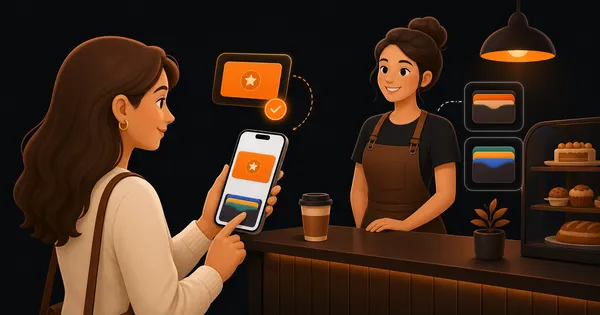
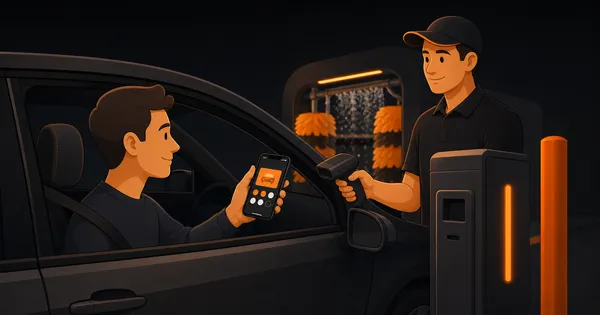
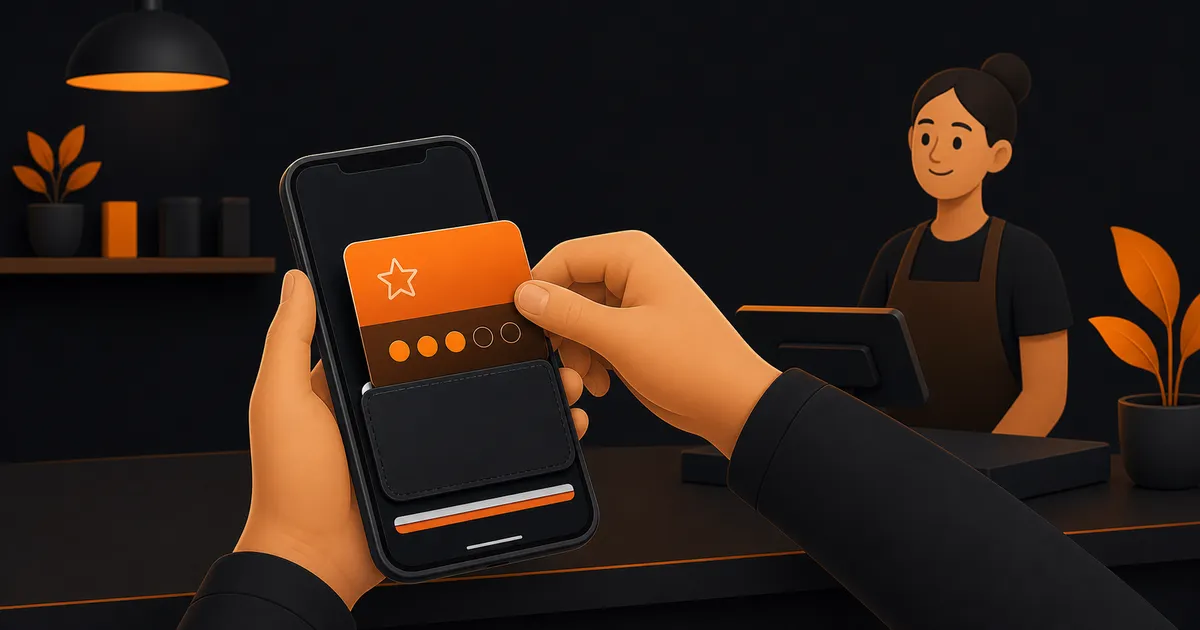
That is where a digital loyalty card changes the picture. If the card lives in Apple Wallet or Google Pay, it stays on the phone customers carry. A barista can scan it during the morning rush. A receptionist can update it while checking out a client after a treatment. A driver can show it at the pay lane without searching the glove box.
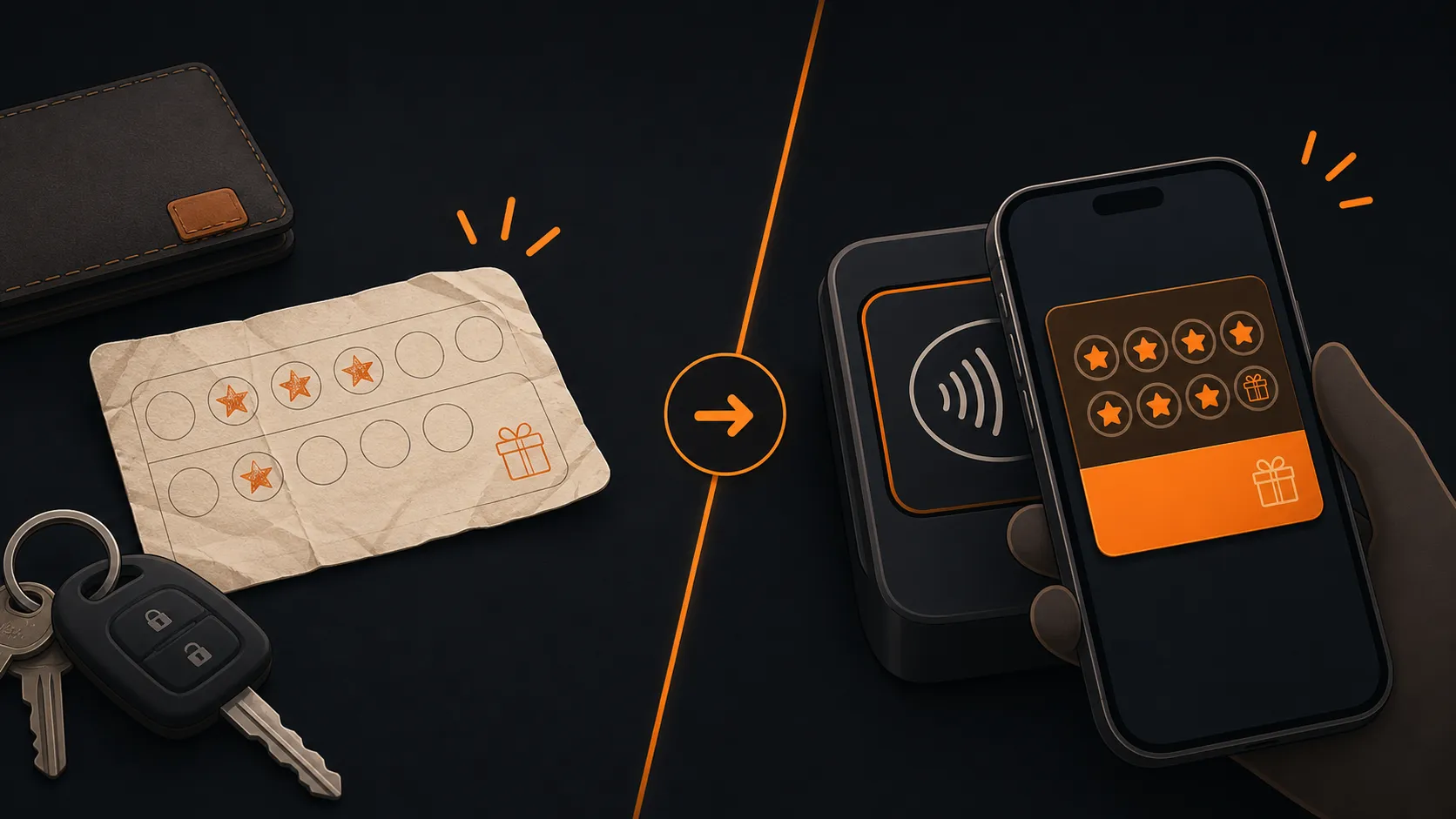
Visible loyalty feels more real. Customers can see their progress. Staff can process it quickly.
Loyalty also gives the business better timing
One of the least obvious benefits of a good loyalty system is the timing information around repeat behaviour.
Without that visibility, many businesses only notice a problem after a regular has already disappeared. The owner sees that Tuesdays feel quieter. A stylist realizes a familiar client has not been in for two months. By then, the habit may already be broken.
With a digital loyalty system, those patterns are easier to spot. The business can see who is close to a reward, who has not returned on their usual rhythm, and which segments respond best to a timely reminder.
That opens the door to better follow-up:
- A short reminder when someone is one visit away from a reward
- A message to regulars who have not checked in for a while
- A quieter-time offer that helps shape demand without broad discounting
It becomes a retention tool.
Why it matters for small businesses in particular
Large brands can afford waste. Independent businesses usually cannot. If a local business loses regulars slowly, the effect shows up quickly in the week-to-week numbers.
Loyalty helps protect the most valuable kind of customer: the one who already knows you, already trusts you, and only needs a small reason to keep choosing you. That is usually cheaper and more realistic than constantly replacing lapsed customers with new ones.
The key is to keep the system practical. It should fit the pace of the business, the attention span of the customer, and the behaviour you want to encourage.
If repeat visits are where your business grows, loyalty should help that habit stay visible. Make repeat visits easier - with a card customers can actually keep.