From Paper Stamp Cards to Digital Loyalty: A Cafe Owner's Guide
Why paper stamp cards quietly cost cafes and restaurants repeat visits, and what switching to a digital loyalty card actually looks like.
A regular walks in on a Tuesday morning, orders their usual flat white, and pats down their jacket pockets looking for a small paper card with seven stamps on it. They don’t find it. The barista shrugs, hands them a new card, and the seven visits they’d already paid for are gone - along with a little bit of their goodwill toward the shop.
This happens more often than most owners realize, and it’s one of the quiet reasons paper stamp cards underperform compared to a digital loyalty card that lives in a customer’s phone.
The problem with paper stamp cards
Paper cards feel simple, but they carry real friction:
- They get lost, left at home, or thrown out with old receipts
- Staff have to remember to stamp them correctly, every single time
- There’s no way to message customers who haven’t come back in a while
- Owners have zero visibility into who their most loyal customers actually are
None of this is anyone’s fault - it’s just what happens when loyalty tracking depends on a small piece of cardstock instead of a system.
A loyalty program only works if the loyalty is easy to redeem.
What a digital loyalty card changes
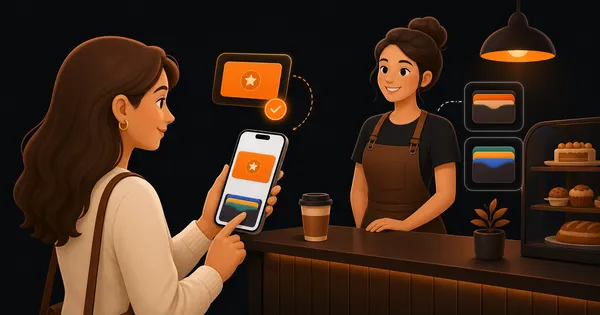
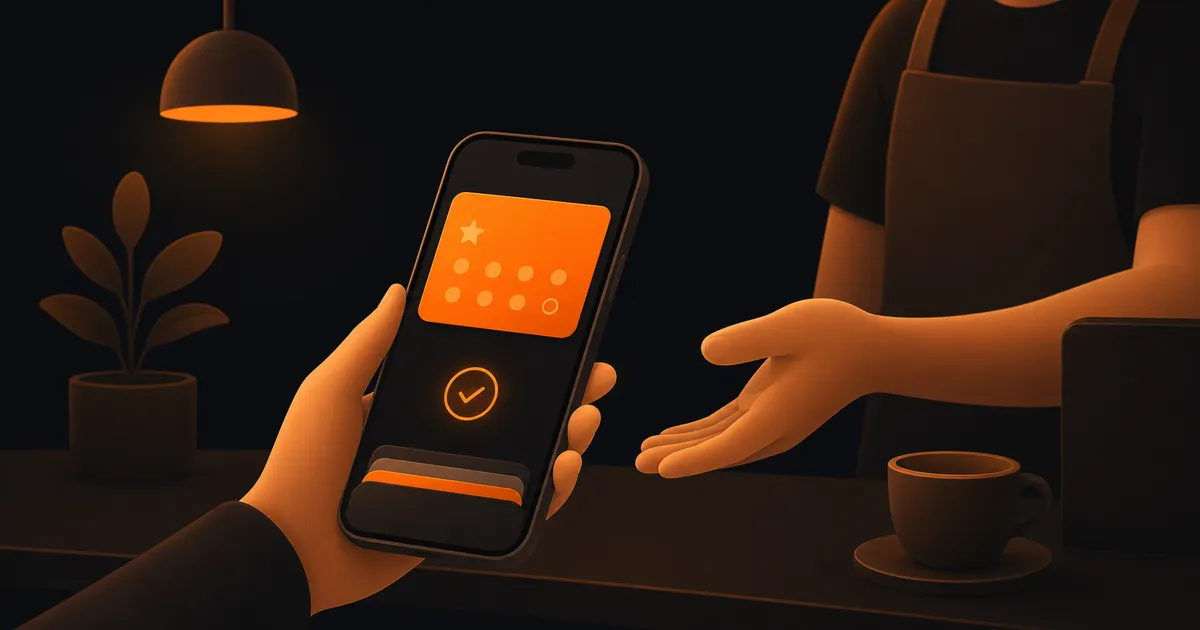
A digital loyalty card lives in Apple Wallet or Google Pay, not in a customer’s pocket. They add it once, in under a minute, and from then on it’s sitting right next to their boarding passes and transit cards - impossible to forget, because it’s already on the device they carry everywhere.
For the business side, the shift matters even more. Instead of a stack of cardboard nobody can analyze, every stamp becomes a data point.
What staff actually do differently
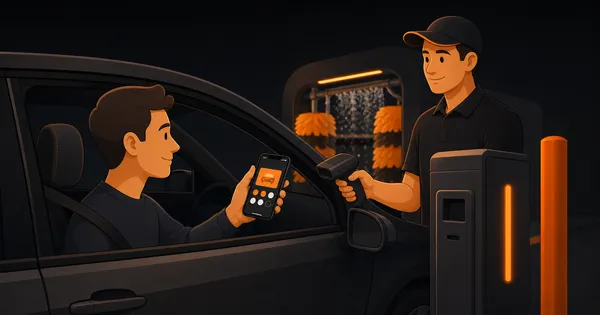
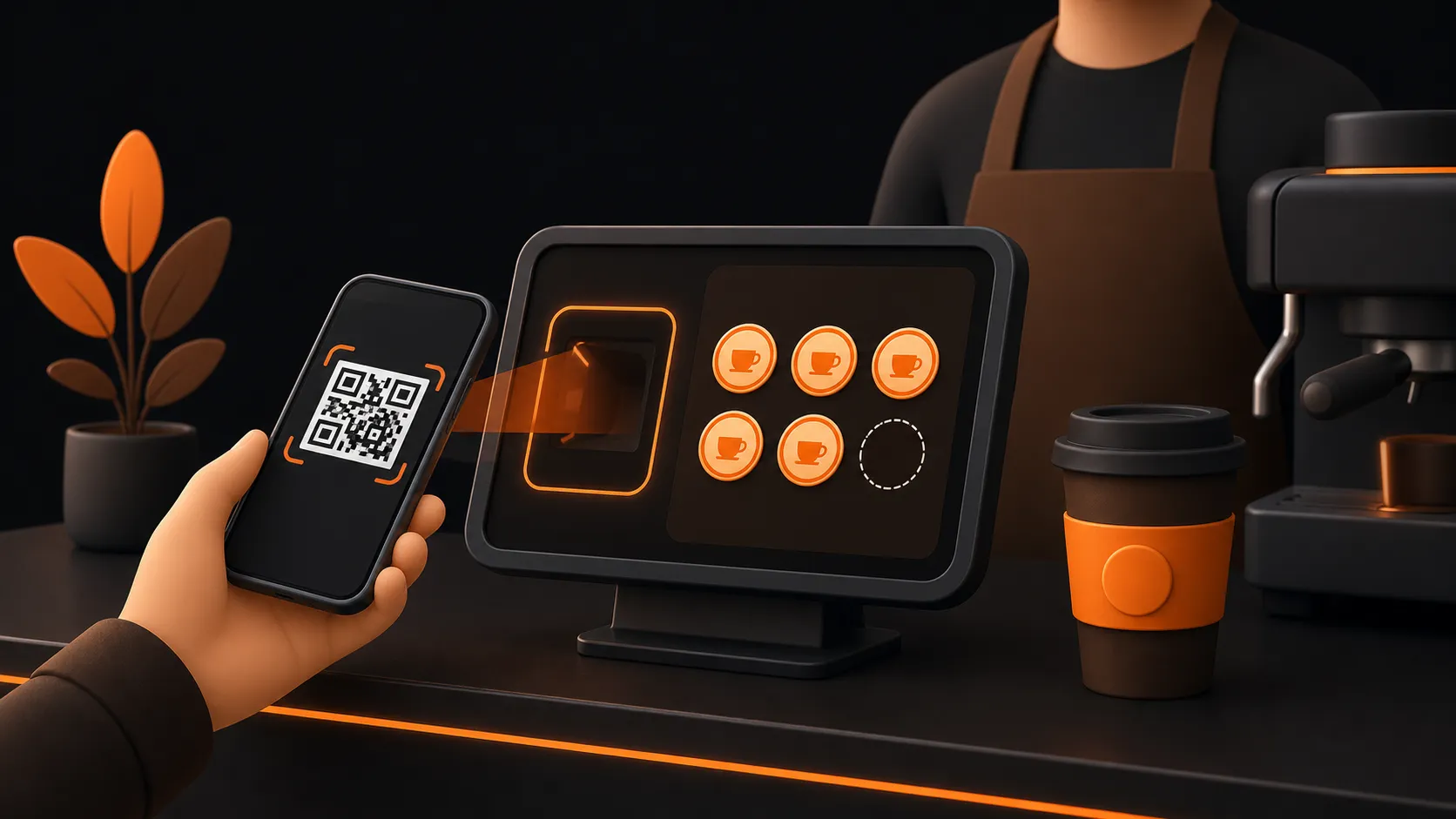
The workflow at the counter barely changes. A customer taps their phone or shows their card, staff scan a QR code, and a stamp or point is added instantly - no punch tool, no manual tally, no guessing whether someone already redeemed their free coffee this week.
Bringing lapsed customers back
Paper cards are silent once they leave the counter. A digital card isn’t. Because the business can see who’s close to a reward and who hasn’t visited in three weeks, it becomes possible to send a short, well-timed message - “you’re one stamp away from a free coffee” - instead of hoping people remember to come back on their own.
Gift cards and beyond
Once a business has a digital loyalty card set up, digital gift cards sit naturally on top of the same system. Customers who want to treat a friend to a coffee run don’t need a physical card printed at all - it’s the same wallet pass infrastructure, just extended.
Is it worth switching?
For most cafes and restaurants, the honest answer is: the switch pays for itself in avoided friction alone. Fewer lost cards, less staff overhead, and a direct channel to remind customers you exist - all from a system that took less time to set up than redesigning a paper card would have.
If your stamp cards keep ending up lost in someone’s coat pocket, it might be time for a card that can’t be left behind. Put your loyalty card in every customer’s wallet - no app download required.