How to Build a Loyalty Card Customers Actually Use
See how to build a loyalty card customers actually use, with simple rewards, clear progress, and a setup that fits real staff workflows.
Many loyalty cards fail for a simple reason: the idea sounds good in a planning meeting, but it does not fit what customers and staff actually do in real life. The reward might be generous and the branding tidy, then the card goes unused because the rules are fuzzy, the process is slow, or nobody remembers it at the moment it matters.
A good loyalty card does not need to be clever. It needs to be easy to understand, easy to access, and easy to process during an ordinary day when the team is busy and the customer wants to move on.
Start with one behavior you want more often
The first mistake many businesses make is trying to reward everything at once. Visits, spend, referrals, product add-ons, off-peak slots, birthday rewards, special days, seasonal boosts. On paper, it feels ambitious. In practice, it becomes hard to explain and harder to remember.
A stronger approach is to start with one clear behavior. Ask what repeat action matters most to the business right now.
That could be:
- More frequent return visits
- Better rebooking after an appointment
- Higher uptake on a specific add-on
- More midweek traffic during quieter hours
For example, a neighbourhood cafe may want regulars to choose them three times a week instead of twice. A salon may want clients to rebook before leaving. The best loyalty card begins with a practical goal, not a long list of possible rewards.
If customers cannot explain the loyalty offer in one sentence, it is probably too complicated.
Keep the reward simple enough to remember
Customers should not have to do maths at the counter. They should know what they are working toward at a glance.
That is why straightforward reward structures tend to perform better. “Buy eight, get one free” is easier to hold in mind than a layered points structure with exclusions and expiry rules.
Imagine a busy lunch rush. A customer is paying, a staff member is answering a question from the next person in line, and somebody else is waiting for a takeaway order to be called. In that moment, nobody wants a long explanation about which purchases qualify and which ones do not.
The more instantly the reward makes sense, the more likely it is to influence behaviour later.
Make sure staff can run it without breaking flow
This is where many otherwise sensible programmes fall apart. Owners think about the customer experience but forget the operational one.
The card has to work during real service conditions. A barista mid-rush on a Saturday morning cannot pause for a complicated search screen. A stylist checking a client out after a colour appointment cannot stop to manually fix missed rewards from three visits ago. A front-desk team at a studio cannot spend extra minutes explaining a loyalty rule while the next class is lining up.
Test it during the busiest hour
Before settling on a loyalty setup, picture the most pressured part of the week. If the process still feels easy there, it will probably work the rest of the time too.
Good questions to ask:
- Can staff add a reward in a few seconds?
- Can a customer access the card without friction?
- Is progress visible straight away?
- Will the team remember to use it during peak periods?
If the answer to those questions depends on ideal conditions, the system is too fragile.
Make the card easy to keep and easy to find
One of the biggest reasons loyalty cards go unused is not lack of interest. It is simple physical disappearance. Customers leave paper cards at home, switch bags, wash receipts with them in a pocket, or accept a card once and never see it again.
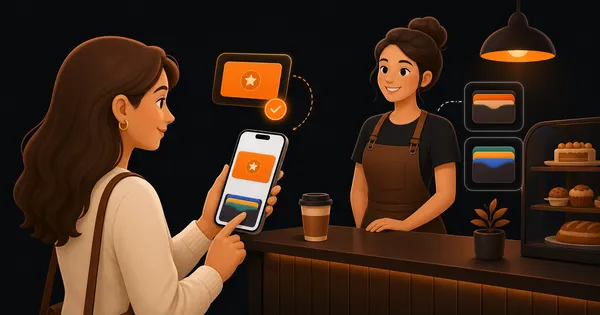
A loyalty card customers actually use needs to stay close to the normal payment or check-in moment. That is why digital wallet cards are often more effective than paper or app-based systems. They sit in Apple Wallet or Google Pay, which means the card stays where the customer already looks when paying or checking something quickly on their phone.
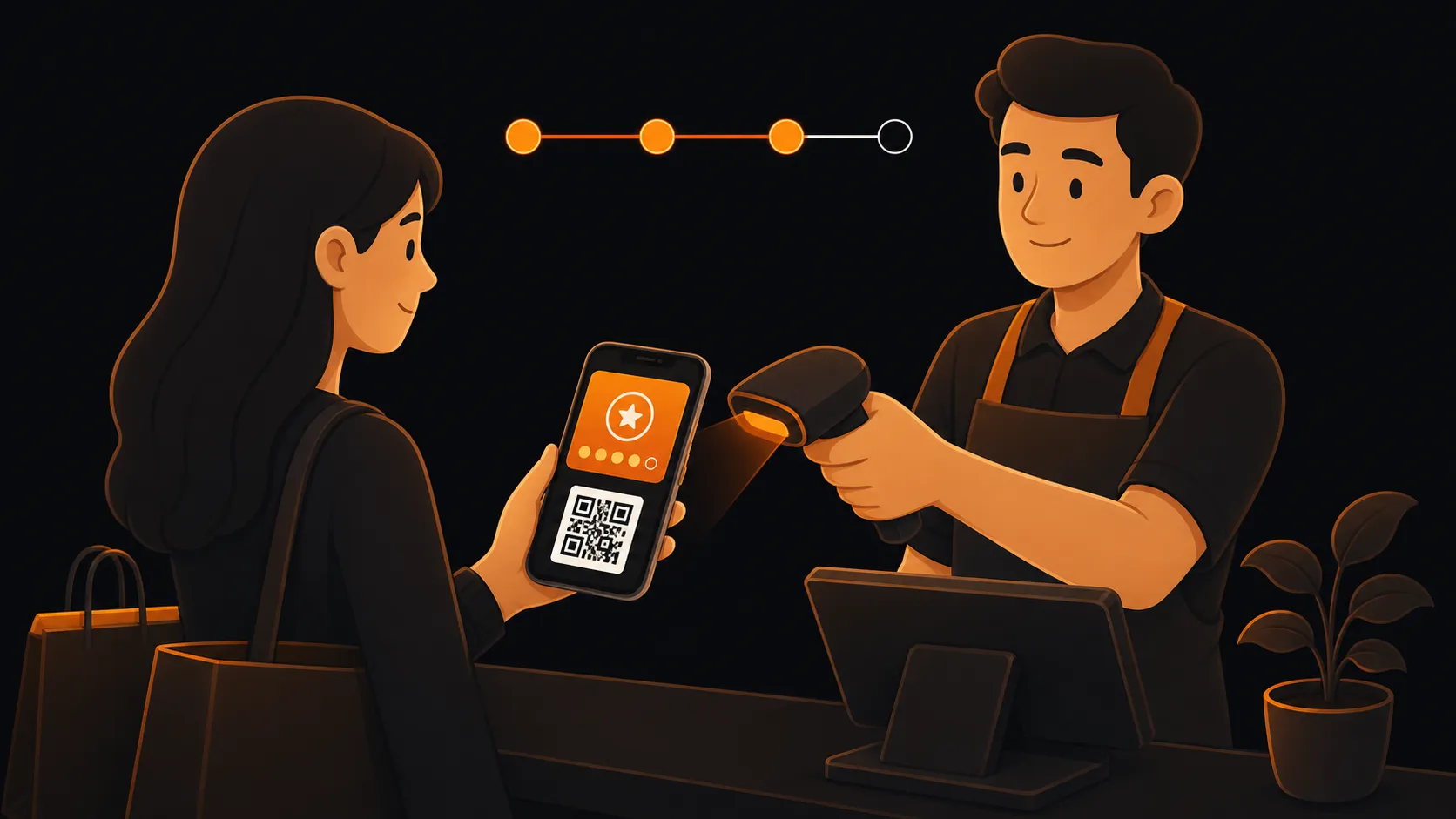
Think of a regular customer who forgot their paper card at home for the third time. Nobody is trying to cheat the system. They are just busy. A card that lives on the phone removes that recurring friction.
Use progress to encourage the next visit
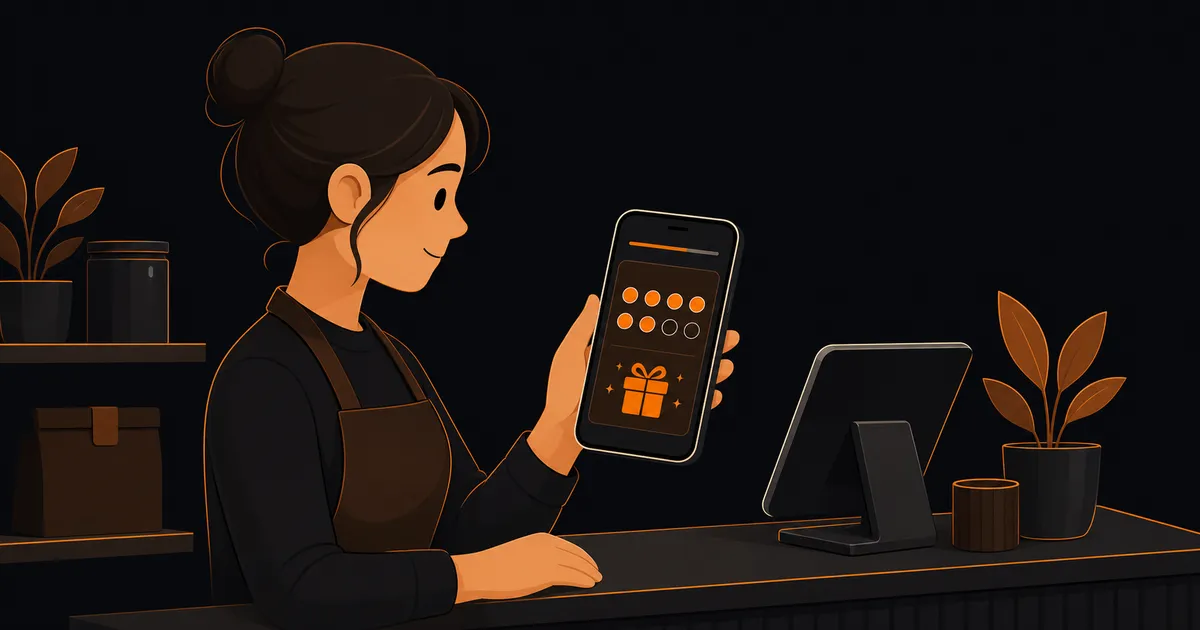
The visible sense of progress is part of what makes loyalty work. Customers are more likely to return when the next reward feels near and specific.
That does not mean every message should shout about discounts. It means the programme should make progress easy to see and easy to act on. A customer who is one visit away from a reward has a stronger reason to choose your business this week instead of next month.
This is also where digital loyalty becomes more useful than a basic paper system. If the business can see who is close to a reward, it can follow up with better timing.
Build for consistency before complexity
It is tempting to keep adding features to a loyalty idea. Tiered rewards. Surprise perks. Seasonal rules. Some of those can work later, but only after the basic system is being used consistently.
The first version should focus on reliability:
- A clear offer
- A visible card
- Fast staff handling
- Consistent reward tracking
- A sensible reason to come back
If those elements are working, the business can learn from real usage and improve from there. If they are not, adding more layers usually makes the problem worse.
The best loyalty card is not the one with the most moving parts. It is the one customers remember, staff use, and owners can trust to support repeat behaviour.
If loyalty is going to work, it has to fit the way customers already buy from you. Create loyalty people use - without adding extra friction at checkout.