Digital Loyalty for Spas With Treatment Regulars
Learn how spas can use wallet-based loyalty to reward repeat treatments, simplify reception check-ins, and keep guests booking on a steady rhythm.
A spa rarely loses guests because the experience was bad. More often, people simply fall out of the booking rhythm. A facial that should happen every six weeks slips to ten. A massage guest means to rebook, then life gets in the way.
That is where digital loyalty becomes useful. It gives spas a simple way to reward return visits, keep loyalty visible between appointments, and make reception handling easier without adding another app for guests to ignore.
Why paper loyalty feels out of place in a spa
Paper loyalty cards were built for quick counters, not slower, service-led appointments. In a spa, the guest journey is different. Someone arrives a little early, has a robe handed over, checks treatment timing, and often pays while thinking about childcare, dinner plans, or the drive home. A paper card can easily become an afterthought.
That leads to familiar issues:
- Guests forget the card because visits are spaced weeks apart
- Reception teams miss the stamp while juggling arrivals and room turnarounds
- Lost cards create doubt about how many visits have already been earned
- Owners cannot easily see who is staying consistent and who has gone quiet
None of this means guests do not value the reward. It usually means the format is easy to misplace and hard to manage in a calm but busy environment.
Spa loyalty should support the guest journey, not interrupt the sense of calm you work hard to create.
A wallet pass fits a quieter kind of routine
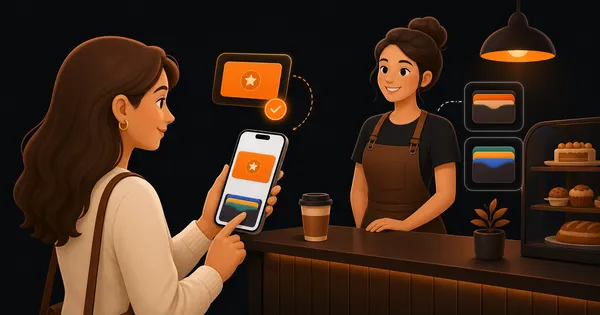
Spa guests already rely on their phone for booking confirmations, calendar reminders, and travel directions. A wallet-based loyalty card fits naturally because it stays in Apple Wallet or Google Pay rather than in a purse pocket they only remember once they are back in the car.
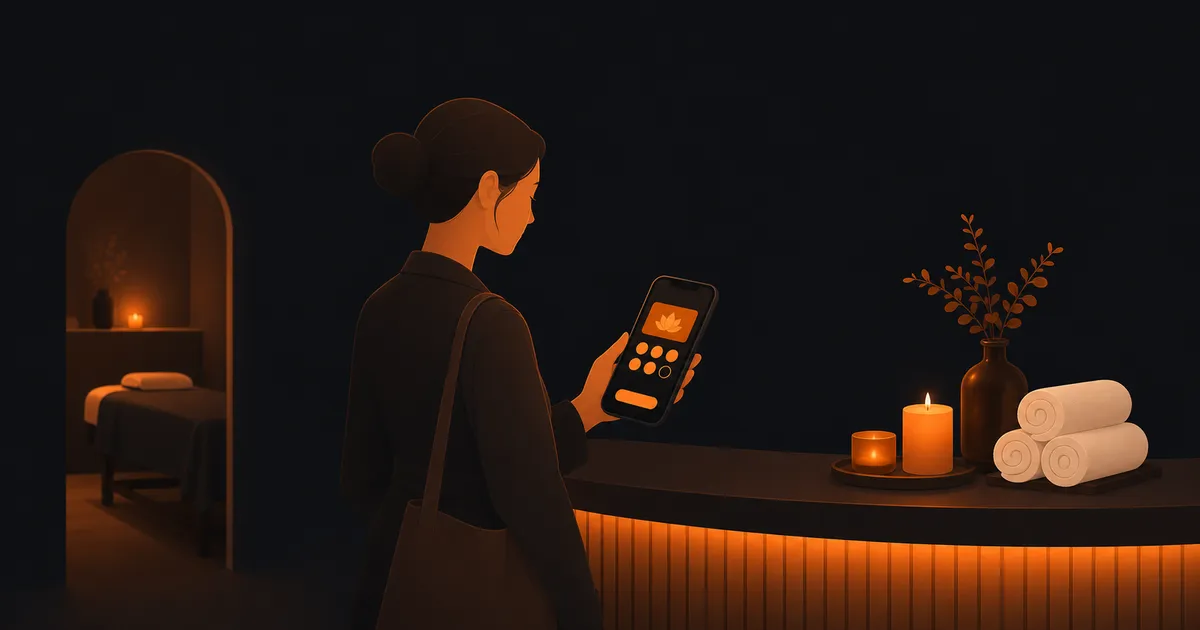
Picture a guest arriving for their monthly deep-tissue massage on a Friday evening. They check the time, silence their phone, and head to reception. If the loyalty step requires finding a paper card somewhere in a large bag, it may be skipped to keep the handoff smooth. If the loyalty pass is already on the lock screen or a tap away in the wallet, the receptionist can handle it in seconds.
For the guest, it feels tidy and low-effort. For the team, it keeps the reward process dependable.
What loyalty looks like at reception
Spa teams do not need more admin at the desk. They need a process that still feels polished when several guests arrive close together and treatment rooms need resetting on time.
Between treatment changeovers
Imagine a boutique day spa on a Saturday. One guest is checking out after a facial, another has arrived early for a prenatal massage, and a therapist is asking reception to confirm a product recommendation before the room flips. That is not chaos, but it is busy enough that paper systems get forgotten.
With a digital loyalty card, the receptionist scans the guest’s QR code as part of check-in or checkout and the visit is recorded immediately. There is no need to remember which drawer the stamp is in or whether the guest left the card at home last time.
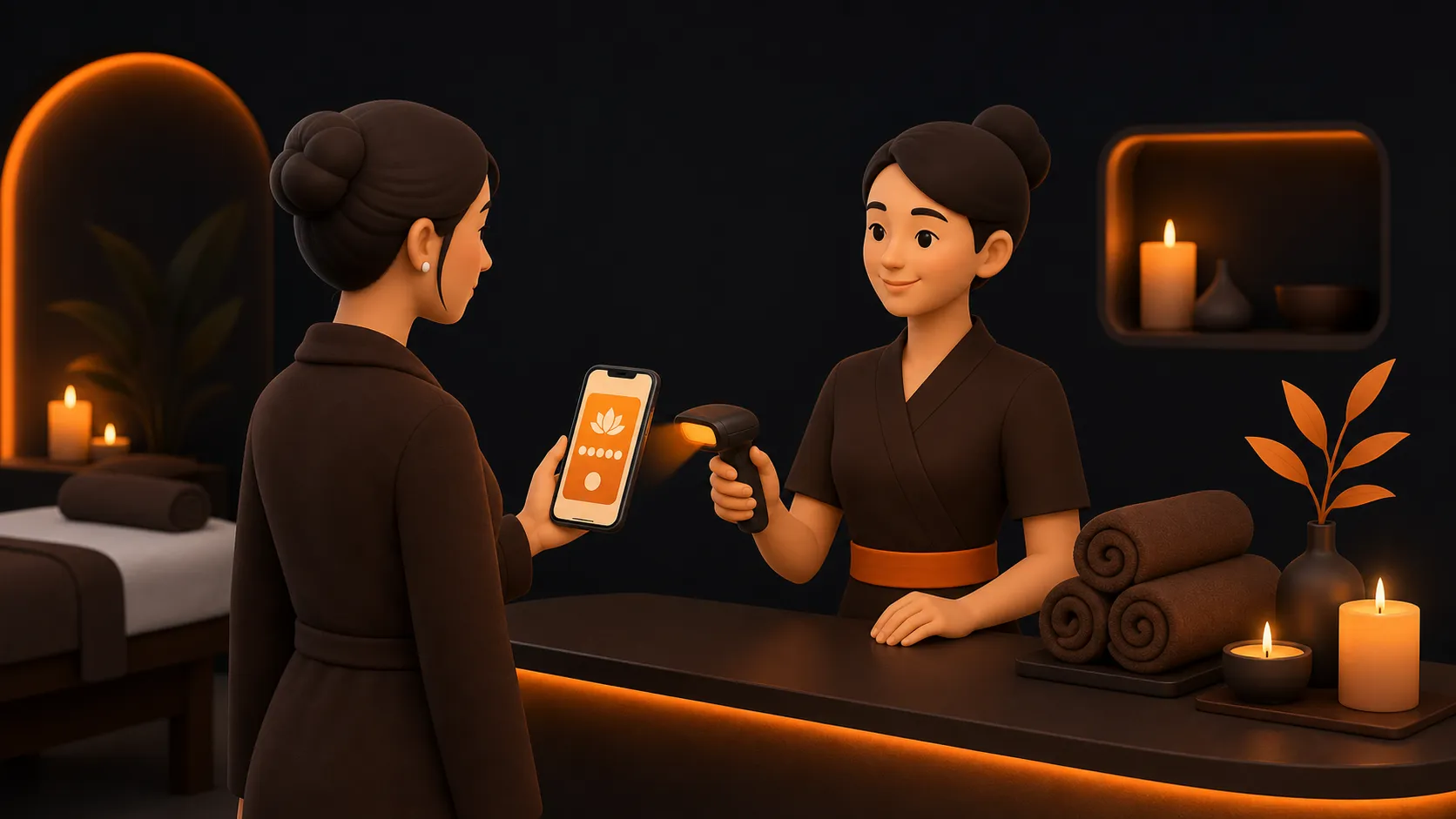
That matters because consistency is what makes the programme feel fair. Guests trust loyalty when progress is always there, not only when both sides remember the card.
Better rebooking and follow-up between treatments
The commercial challenge in a spa often sits between visits. A guest may love the service and still fail to book again at the right time. By the time they think about it, the routine has weakened and the next treatment becomes easier to postpone.
Digital loyalty helps because it gives the business clearer signals. The spa can see which guests are one visit away from a reward, which regulars have not returned on their normal timing, and which treatment patterns tend to slow down seasonally.
That supports more thoughtful outreach:
- A reminder for guests who are close to a complimentary add-on or reward
- A follow-up when someone’s usual six-week interval has stretched too far
- A targeted offer for weekday treatments when quieter slots need support
The goal is not louder marketing. It is better timing. A short, relevant message sent at the right moment is more useful than a generic monthly promotion.
The reward should match the treatment model
Different spas sell in different ways, so the loyalty structure should reflect that. A massage clinic may reward every fifth treatment. A wellness spa with retail products might prefer points that cover both services and post-treatment skincare. A thermal spa may want to encourage midweek visits or pair loyalty with bring-a-friend offers.
What matters is clarity. Guests should understand the reward without needing a long explanation, and staff should be able to apply it without slowing the desk.
A good rule is to tie the reward to behaviour you already want to encourage: regular bookings, treatment upgrades, or quieter time slots. Loyalty works best when it reinforces habits the business already depends on.
Is digital loyalty worth it for an independent spa?
For most spas with a strong repeat-guest base, yes. The benefit is not only in the reward itself. It shows up in smoother reception handling, fewer missed loyalty actions, better visibility into return patterns, and more chances to prompt a rebooking before a guest drifts out of routine.
That is especially important in service businesses where each empty treatment room has a clear cost. If your spa grows through guests returning on a gentle, predictable rhythm, your loyalty system should help protect that rhythm instead of relying on a card they may not see again for six weeks.
If repeat treatments are where your spa grows, loyalty should stay visible long after checkout. Turn spa visits into routines - with a card guests already carry.